
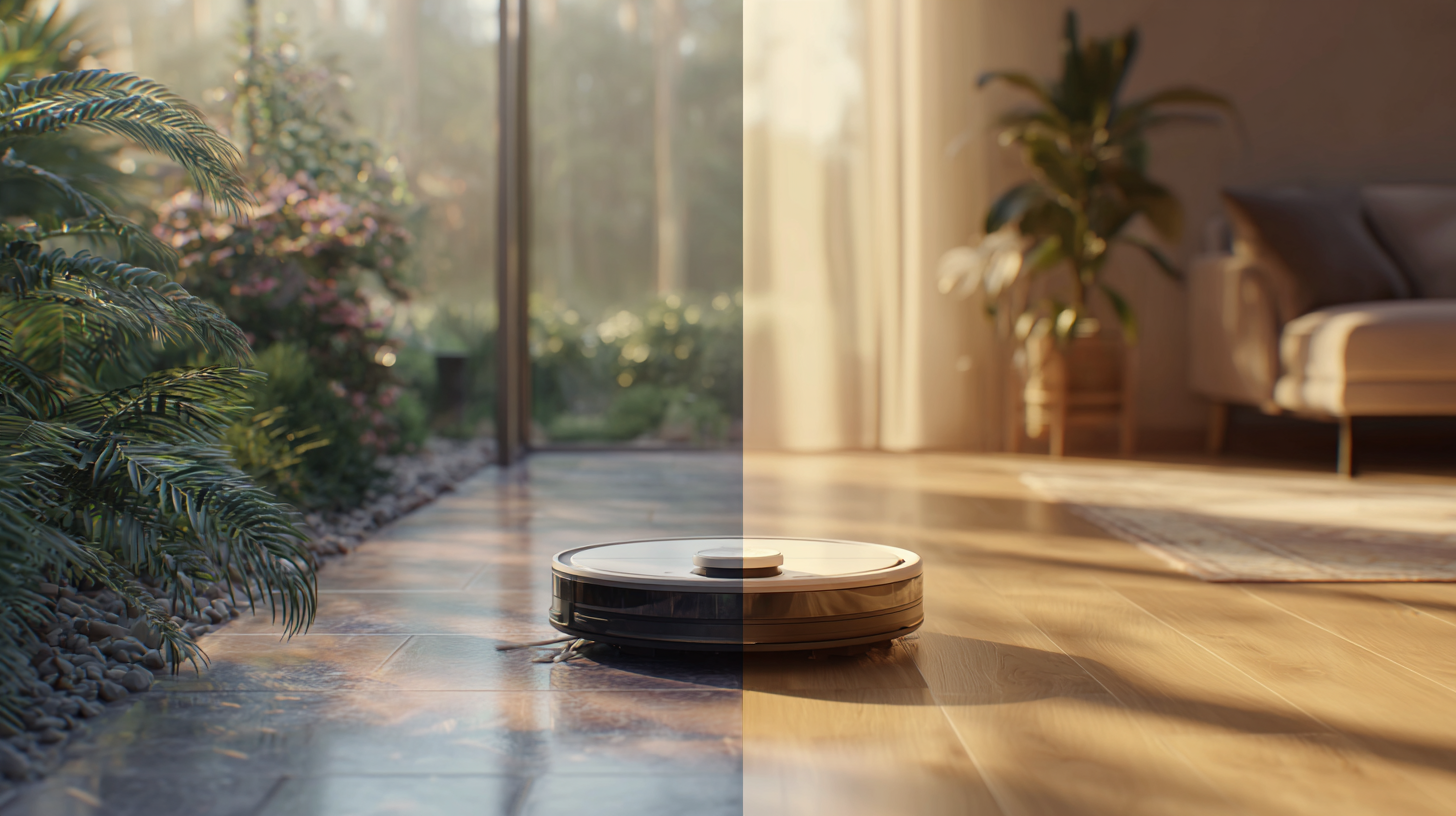
In our home, we try to keep smart tech simple. If a device does not save time, reduce effort, or survive toddler chaos and dog hair, it usually gets returned. But there are two devices that have genuinely earned their place: our automatic irrigation system and our robot vacuum.
They are not perfect, but they solve real problems for real families like ours. Here is how they fit into our routine and what we learned after living with them.
Smart Device 1: Automatic Irrigation for Sanity and Shade
Utah summers are no joke. When the sun hits the yard, watering plants feels like a punishment. Between working, keeping Emma entertained, and stopping Copper from digging mystery holes, we needed something predictable.
We ended up choosing the Rachio 3 Smart Sprinkler Controller, and it turned out to be a quiet hero.
- Waters the front and backyard on a schedule
- Pulls local weather data to skip watering on rainy days
- Survives scorching summers and freezing winters
- Requires almost no maintenance once installed
- Lets us control everything remotely, which is great when we visit family
It quickly blended into the background in the best possible way. Much better than the old manual hose timer that neither of us could get right.
But nothing is perfect. The Rachio app is clean and reliable, but:
- Scheduling presets are basic
- You do not get a lot of granular timing options
- Some advanced “smart” watering features feel a bit locked down
Even with the quirks, the irrigation system is one of the most effortless upgrades we have made. It keeps the yard alive without interrupting work, naps, or dinner prep.
Smart Device 2: The Robot Vacuum That Tries Its Best
We have a toddler. We have a golden retriever. We have crumbs, fur, snack trails, renovation dust, and whatever Emma decides to “decorate” with that day.
Our robot vacuum is the only reason our floors look like we even try.
We chose the iRobot Roomba Combo j7 Plus because it can sweep, mop, empty its own bin, and wash the mop pad automatically. There is an upgraded version that hooks into water supply lines, but our home does not have plumbing in the right place, so we refill the clean water and empty the dirty water manually.
It still saves us hours every week. We schedule it for daily maintenance runs, and we often control it remotely when we are out. Coming home to clean floors feels magical.
But the robot has its quirks.
- It gets confused by loose paper or charging cables
- It sometimes drives into floor length mirrors like it spotted a rival vacuum
- The mopping plate still needs manual cleaning
- Dog hair wraps itself around the brushes no matter how advanced the model is
We love the convenience, but we wish the obstacle detection were a little smarter and the self cleaning a little more self cleaning. It is great, just not trustworthy enough to let it roam during one of Copper’s heavy shedding weeks.
What These Devices Have in Common
Both of these smart tools remind us of something important. The best smart home devices are not always the flashiest ones. They are the ones that:
- Save time without creating new chores
- Fit into daily life without needing constant attention
- Keep working whether you are home or away
- Solve real problems families face
A scheduled irrigation system gives us hours back every week. A robot vacuum handles the daily mess so we do not have to. Together, they eliminate two chores we used to dread: yard care and floor cleaning.
What We Learned After Using Both
- Automation should remove friction, not add it
If a device needs babysitting, it defeats the purpose. - Remote control is a bonus, not a requirement
The real value is in set and forget schedules. - Durability matters
Outdoor irrigation needs to survive weather. Indoor vacuums need to survive toddlers and dogs. - Convenience has limits
Even the best robot vacuum cannot navigate a cable spaghetti pile.
Smart devices should be realistic, not idealistic
They should help in the real world, not just in product demos.
.png)

.png)