
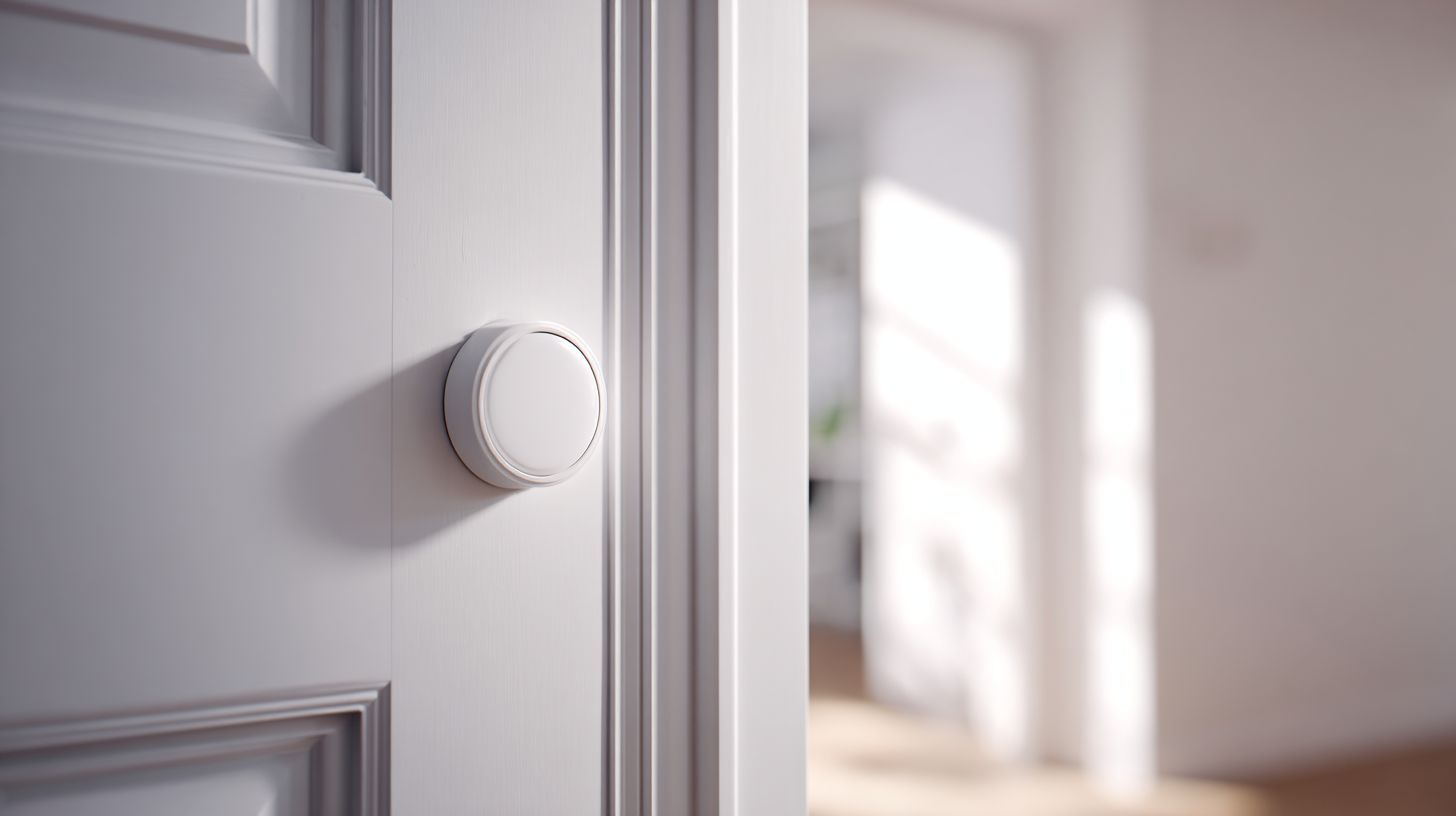
When we moved into our Utah fixer upper, we knew two things. First, the windows needed curtains. Second, the house needed better security. We wanted something simple, affordable, and DIY friendly. Nothing complicated. Nothing that required drilling through walls or paying for monthly subscriptions.
Door and window sensors ended up being one of the easiest upgrades we installed. They are small, inexpensive, and surprisingly powerful once you learn how to use them.
Here is what we wish someone told us before we started.
Why Sensors Are a Great First Security Upgrade
A full security system can get expensive fast. Cameras, hubs, motion detectors, smart locks, subscriptions, installation costs. But door and window sensors give you immediate peace of mind without blowing the budget.
They tell you exactly when a door or window opens. That is it. Simple, reliable, and extremely useful.
They helped us:
- Know when Emma wandered toward a door
- Confirm the back door latched properly
- Keep track of when Copper pushes open sliding doors
- Get alerts when windows are left open at night
For a DIY family, that alone was worth it.
Choosing the Right Sensor
We tested multiple types while renovating and eventually landed on one main model for our home, but here are the categories we explored.
1. WiFi Sensors
Easy to set up. No hubs required. Just connect them to your router and you are done.
Best example: Wyze Door and Window Sensor
We tried these early on because they were cheap and incredibly simple. They worked, but the WiFi connection dropped more often than we liked, and battery life was average. Great for small spaces, less ideal for our renovation chaos.
2. Zigbee Sensors
These connect through a hub and are generally more reliable than WiFi.
Solid choice: Aqara Door and Window Sensor
We liked these in the rooms where we already had other Aqara devices. They are fast and reliable, but we did not want to commit to a full Aqara ecosystem.
3. Z Wave Sensors (Our Final Choice)
These ended up being the best fit for our home. They work locally, handle long distances well, and stay functional even when the internet goes down.
Our pick: Aeotec Z Wave Door and Window Sensor 7
We installed Aeotec sensors across most of our entry points.
Why we chose Aeotec over competitors:
- Works fully offline with Z Wave
- Great range, even across floors
- Slim profile that fits most door frames
- Better battery life than others we tested
- Easy pairing with SmartThings and Home Assistant
- Reliable during renovation when WiFi was unpredictable
Other options like Ring or Zooz were solid, but Aeotec felt more consistent and more polished for long term use.
We leaned toward Z Wave overall because we wanted our system to keep working even when the internet went down or when someone unplugged the router to use the outlet for tools.
Installation Is Easier Than You Think
Most sensors come in two pieces. A sensor and a magnet. You stick one on the frame and the other on the moving part of the door or window. As long as they line up when the door is closed, they work.
Our installation process looked like this:
- Clean the surface
- Peel off the adhesive backing
- Place the sensor
- Pair it with the app or hub
- Test the open and close
Each one took under two minutes. Even with Emma offering “helpful” commentary and Copper stepping into every photo, we installed all the sensors in one afternoon.
What You Can Automate With Sensors
Once everything is set up, sensors unlock a surprising number of automations.
Some of our favorites:
- Turn on lights when the front door opens
- Pause the thermostat if a window is left open
- Trigger a chime when the backyard door opens
- Send alerts if a window opens after bedtime
- Turn off mood lighting when we leave the house
You can keep it simple or turn it into a full smart home system.
How Much They Cost
This is the best part. Door and window sensors are one of the least expensive smart home upgrades.
- Basic WiFi sensors: around 10 to 20 dollars
- Zigbee or Z Wave sensors: around 20 to 40 dollars
Start with key entry points and add more as your budget allows.
Limitations to Keep in Mind
Sensors are helpful, but not perfect.
- They cannot detect broken glass
- They cannot detect motion inside the home
- Cheaper WiFi models may lag
- Batteries still need replacement every year or two
But for what they cost, they cover a huge portion of basic home security needs.
Why We Recommend Them
Sensors are one of the easiest ways to make your home feel safer without complicated systems or high ongoing costs. They give you awareness, peace of mind, and automations that make daily life smoother.
For a family juggling renovations, routines, and DIY tools scattered across multiple rooms, they are the perfect mix of simple and effective.
.png)

.png)